.jpg) Ilia Karelin
Ilia KarelinShort answer: The best open-source CMS for most people in 2026 is Ghost — it's fast, focused, and has memberships and newsletters built in. For headless and TypeScript projects, it's Strapi. Full breakdown below.
Picking a good open-source CMS in 2026 comes down to one question: do you want a website, or a content API? The five platforms below cover both ends of that spectrum. GitHub star counts are as of October 2026.
1. WordPress - The Industry Standard
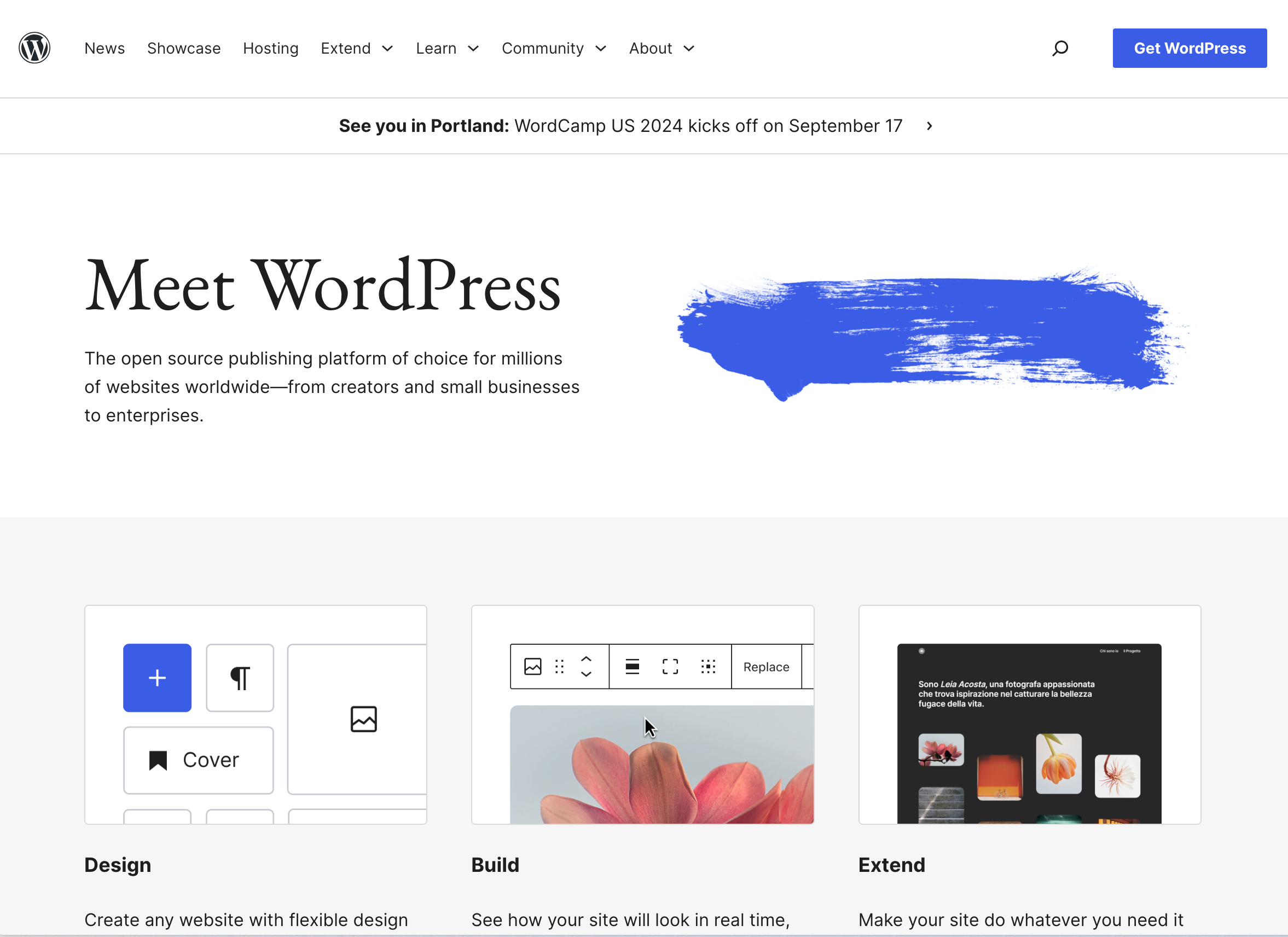
Market Share: ~43% of all websites
WordPress still powers nearly half the internet. If you need a traditional website and don't want to think about infrastructure, it's the default answer.
Pros:
- Massive ecosystem of plugins and themes
- Easy for non-technical users
- SEO-friendly
- Largest community of any CMS
Cons:
- Can be slow without optimization
- Security concerns if not maintained
- Plugin conflicts
Best for: Blogs, marketing websites, e-commerce (with WooCommerce)
WordPress has some limitations where you have to pay for additional add-ons, even though it gives you a great deal of freedom in how you build your web presence.
2. Strapi - Best TypeScript Headless CMS
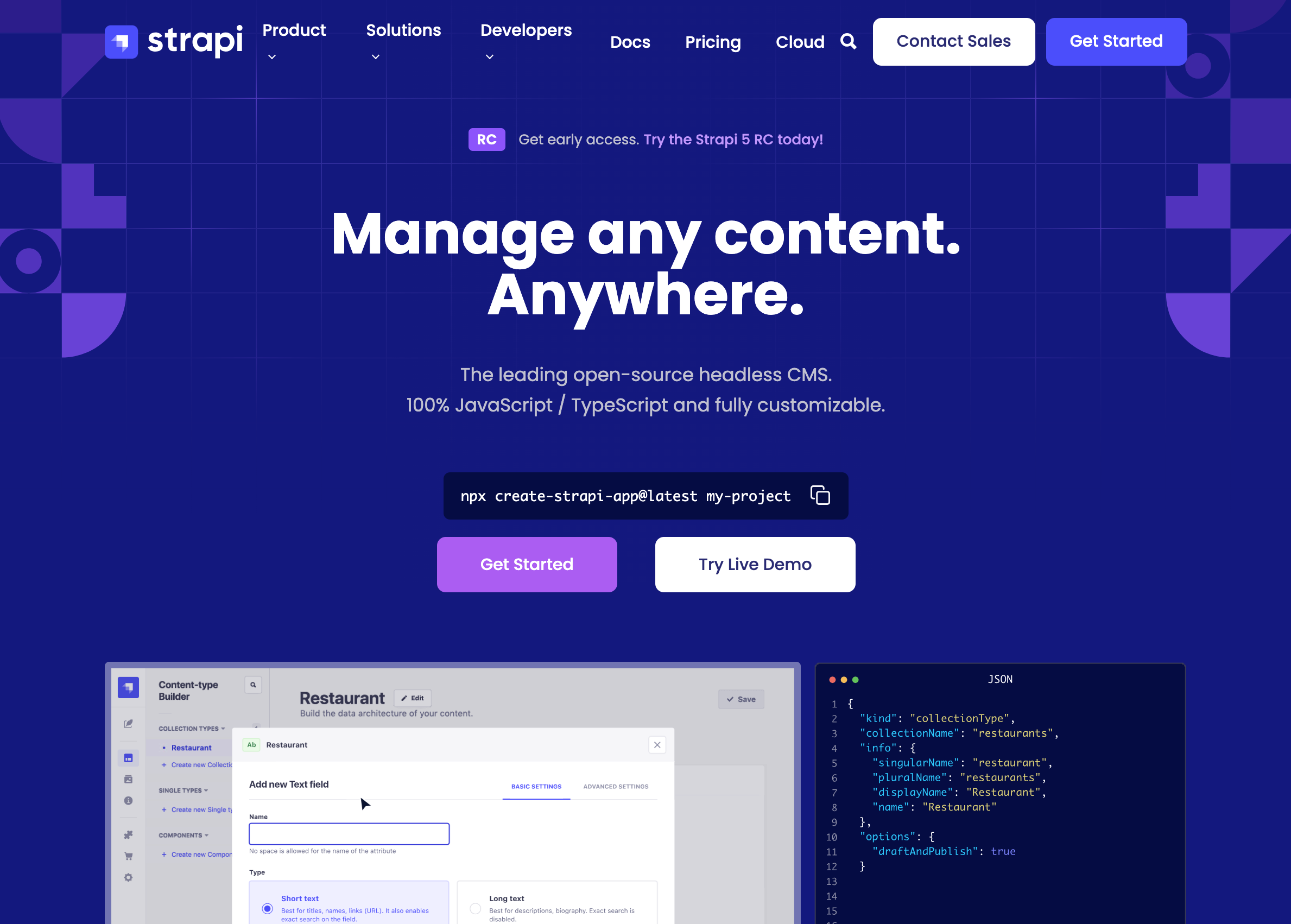
GitHub Stars: 73,000+
Strapi CMS is the leading open-source headless CMS, and the default TypeScript CMS pick — the codebase is TypeScript-first, and it generates REST and GraphQL APIs straight from your content models.
Pros:
- TypeScript-first codebase with generated types
- REST and GraphQL APIs out of the box
- Great developer experience
- Role-based access control
Cons:
- Requires more technical knowledge
- Smaller plugin ecosystem than WordPress
- You build and host the front end yourself
Best for: React/Vue/Next.js applications, mobile apps, multi-channel content
3. Ghost - Professional Publishing Platform
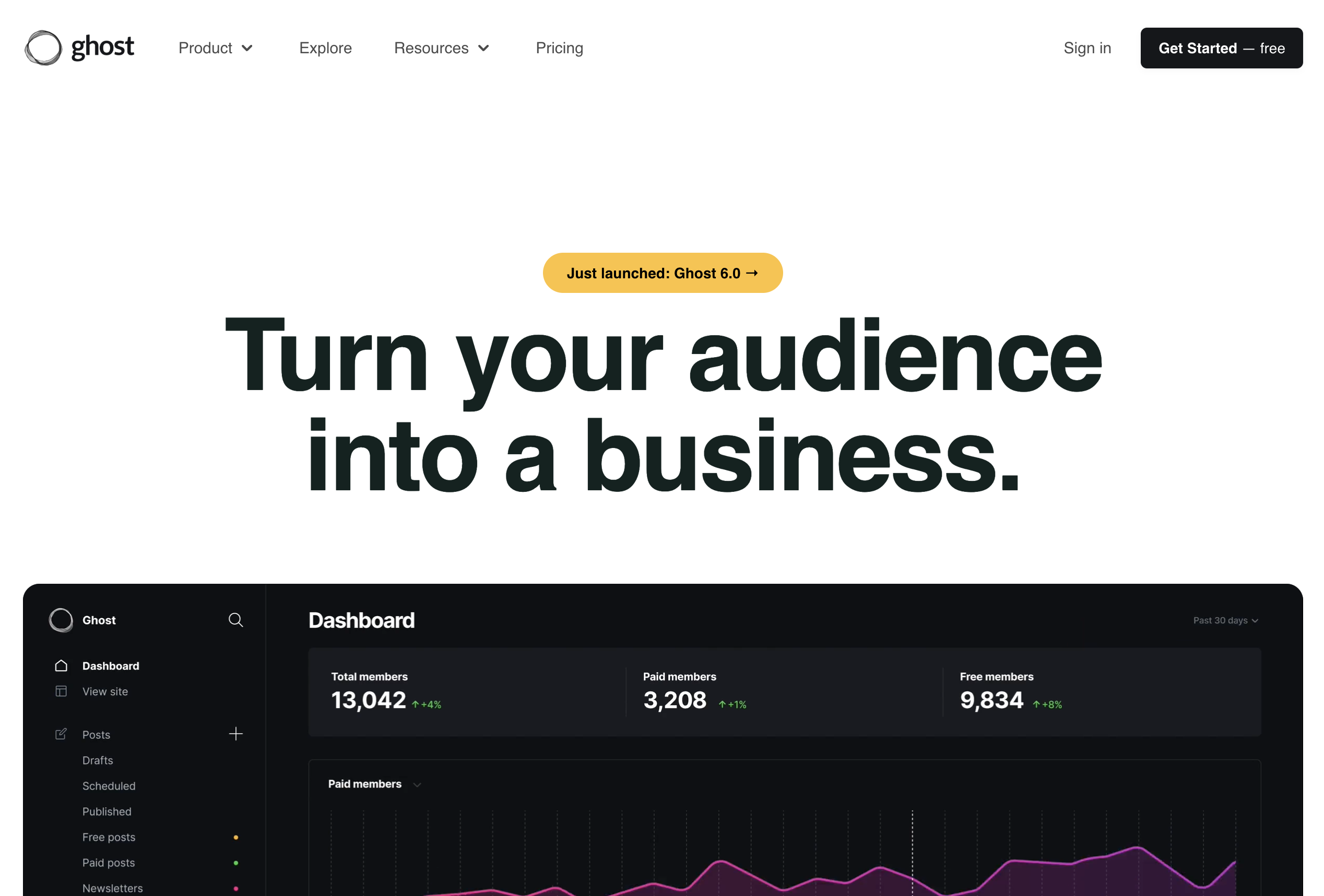
GitHub Stars: 55,000+
Ghost is built specifically for professional publishing — and it's the best open-source CMS for most people in 2026. If your site is fundamentally content plus audience, nothing else comes close.
Pros:
- Beautiful, distraction-free editor
- Built-in SEO
- Membership, subscription, and newsletter features built in
- Fast and lightweight
Cons:
- Less flexible than WordPress
- Smaller ecosystem
- Opinionated — it wants to be a publishing platform, not a general CMS
Best for: Professional blogs, newsletters, membership sites
Amazing tool for publishing and functionality is outstanding.
4. Directus - Headless CMS for Any Database
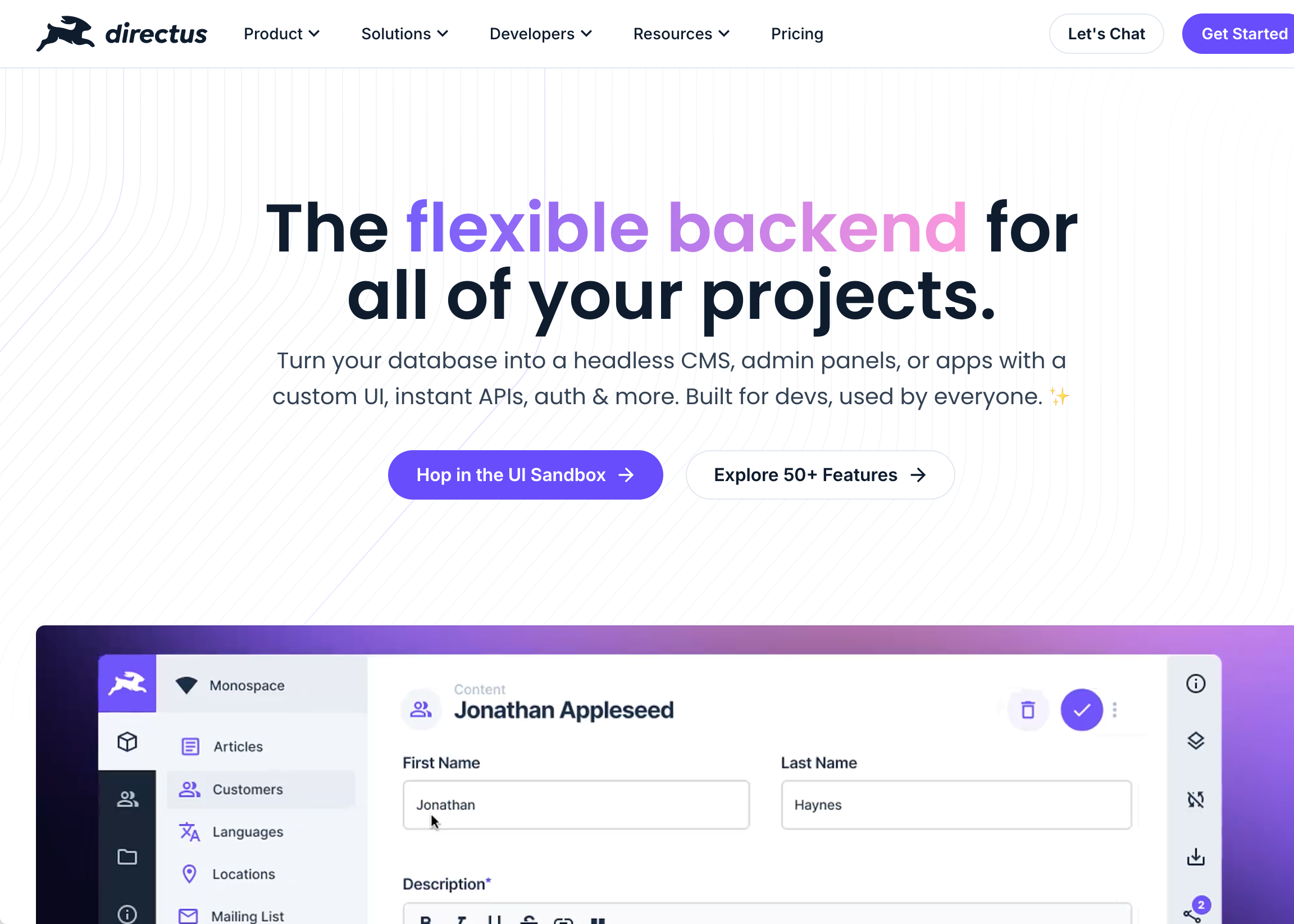
GitHub Stars: 38,000+
Directus CMS wraps around your existing SQL database and gives you an instant API plus an admin interface — your schema stays yours.
Pros:
- Works with any database schema
- Powerful admin dashboard
- REST and GraphQL APIs
- Fine-grained permissions
Cons:
- Requires database knowledge
- Learning curve
Best for: Custom applications, data-heavy projects, digital asset management
5. KeystoneJS - GraphQL CMS Framework
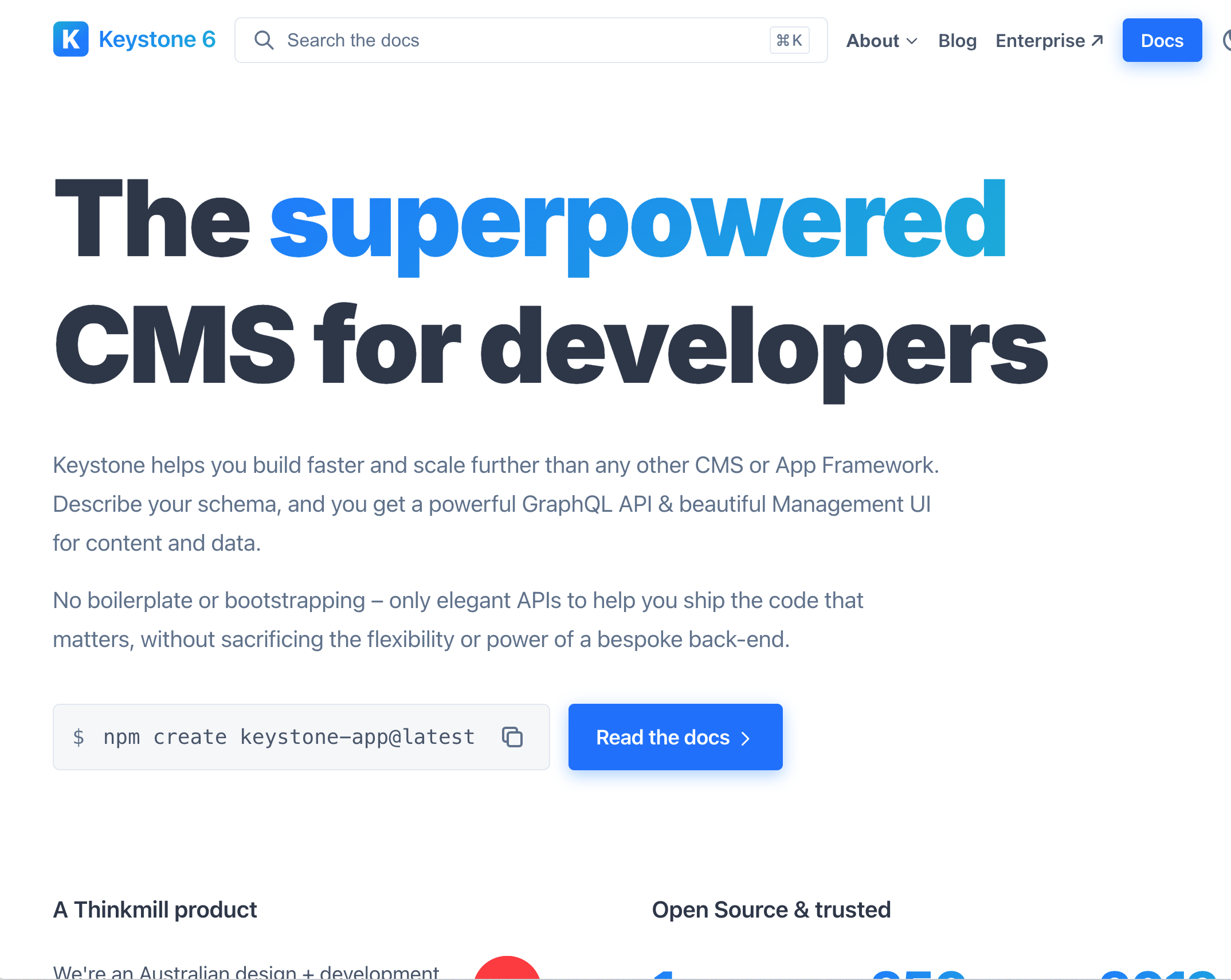
GitHub Stars: ~10,000
KeystoneJS is a developer-focused, TypeScript-native CMS framework built on Node.js with a GraphQL API.
Pros:
- TypeScript-native
- GraphQL-first
- Highly customizable
- Great for developers
Cons:
- Requires coding knowledge
- Smaller community
Best for: Custom CMS solutions, GraphQL applications
Which Is the Best Headless CMS?
If you're looking for a headless CMS — content managed in one place, delivered over an API to any front end — the shortlist is Strapi, Directus, and Ghost.
- Strapi is the default pick for JavaScript and TypeScript teams. Largest headless community, the most tutorials, and both REST and GraphQL.
- Directus if you already have a database — or strong opinions about your schema — since it sits on top of SQL instead of owning your data model.
- Ghost if the "front end" is really just a website plus email. Its headless API exists, but you'll rarely need it.
Which Is the Best TypeScript CMS?
"TypeScript CMS" mostly means Strapi or KeystoneJS. Both are written in TypeScript and generate types from your content schema. Strapi has the bigger ecosystem and an easier admin UI; KeystoneJS gives you more control if you're comfortable defining your schema as code. Directus is TypeScript under the hood too, but you'll interact with it through its APIs rather than its codebase.
Comparison Table
| CMS | Best For | Difficulty | Headless | API |
|---|---|---|---|---|
| WordPress | General websites | Easy | No* | REST |
| Strapi | Modern apps | Medium | Yes | REST/GraphQL |
| Ghost | Publishing | Easy | Yes | REST |
| Directus | Custom projects | Medium | Yes | REST/GraphQL |
| KeystoneJS | Developers | Hard | Yes | GraphQL |
*WordPress can be used headlessly with plugins
How to Choose
| CMS | Choose If You Need | Best Use Cases |
|---|---|---|
| WordPress | Traditional website, non-technical users, thousands of plugins | Blogs, marketing sites, e-commerce |
| Strapi | TypeScript headless CMS, flexible content API, full customization | Next.js/React apps, mobile apps |
| Ghost | Publishing, memberships, newsletters, performance | Professional blogs, newsletters |
| Directus | Existing database, fine-grained control | Data-heavy projects, digital assets |
| KeystoneJS | Full developer control, GraphQL, schema-as-code | Custom CMS, GraphQL applications |
Conclusion
The best open-source CMS in 2026 depends on what you're building:
- Most people / publishing: Ghost
- Headless + TypeScript: Strapi
- Traditional sites & plugins: WordPress
- Bring your own database: Directus
- Maximum developer control: KeystoneJS
Directus is good for you if you have a database. Strapi is awesome open-source CMS for most projects. If you have a publication or newsletter, Ghost is your best bet.
All of these are excellent open-source options that give you control over your content and infrastructure.
Explore more CMS tools: Browse our complete directory
Looking for more open-source tools? Check out our complete directory of 70+ tools.