
.jpg) Ilia Karelin
Ilia KarelinBuilding a modern backend requires the right tools. In 2025, open-source solutions have become more powerful and accessible than ever. Here are the top 10 backend tools you should know about.
1. Supabase - The Open Source Firebase Alternative
GitHub Stars: 50,000+
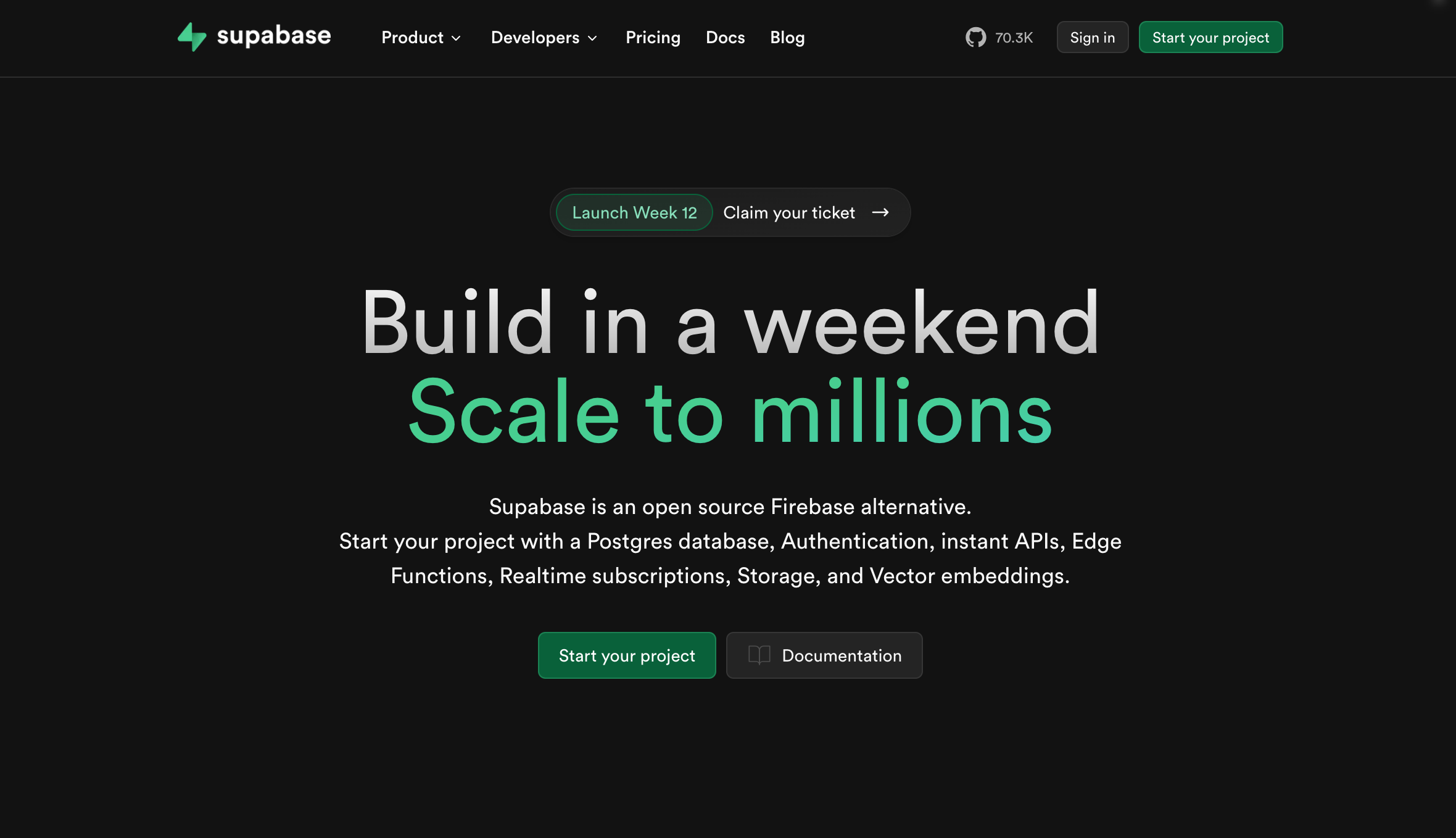
Supabase has revolutionized backend development by providing a complete Firebase alternative that's fully open source. With PostgreSQL at its core, Supabase offers:
- Real-time database subscriptions - Get instant updates when data changes
- Built-in authentication - Email, OAuth, and magic links out of the box
- Storage - S3-compatible object storage
- Edge Functions - Deploy serverless functions globally
Why it's great: Unlike Firebase, you own your data and can self-host everything. The PostgreSQL foundation means you get the power of a relational database with the ease of a BaaS platform.
Best for: SaaS applications, mobile apps, real-time dashboards
2. Appwrite - Self-Hosted Backend Server
GitHub Stars: 35,000+
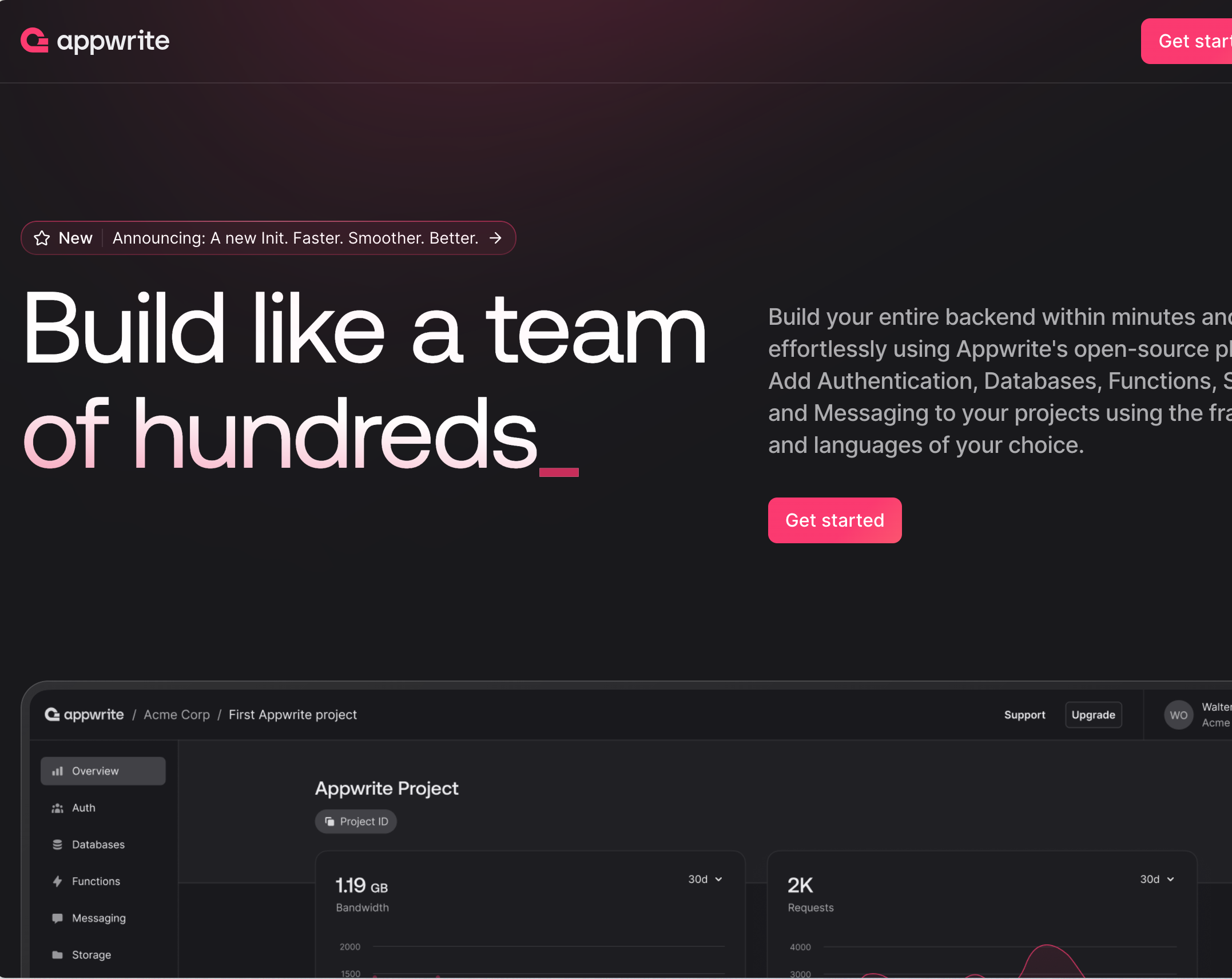
Appwrite is a complete backend platform that packages everything you need into a single, self-hosted solution. It's perfect for developers who want control without complexity.
Key Features:
- User authentication and authorization
- Database with real-time capabilities
- File storage and management
- Cloud functions
- Webhooks and scheduled tasks
Why choose Appwrite: It's designed with developer experience in mind. The dashboard is intuitive, the documentation is excellent, and the community is active.
Best for: Startups, agencies, privacy-focused applications
3. NocoDB - Turn Any Database Into a Smart Spreadsheet
GitHub Stars: 38,000+
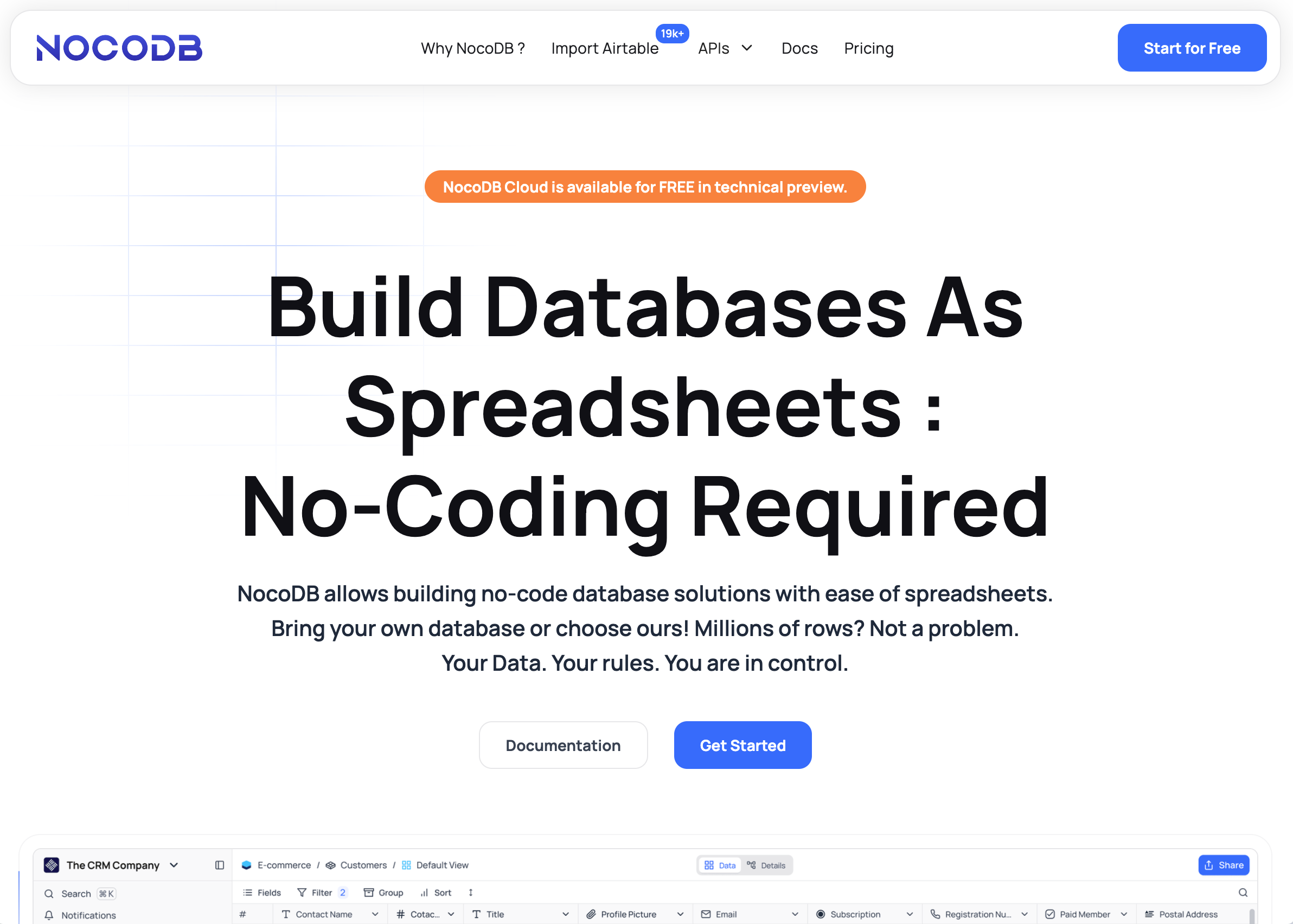
NocoDB transforms your existing databases into collaborative spreadsheets with a REST API. It's like Airtable, but open source and works with your own database.
What makes it special:
- Works with MySQL, PostgreSQL, SQL Server, and more
- Spreadsheet-like interface for non-technical users
- Automatic API generation
- Webhooks and integrations
- Form views for data collection
Use cases: Internal tools, admin panels, CRM systems, project management
4. Directus - Headless CMS for Any Database
GitHub Stars: 24,000+
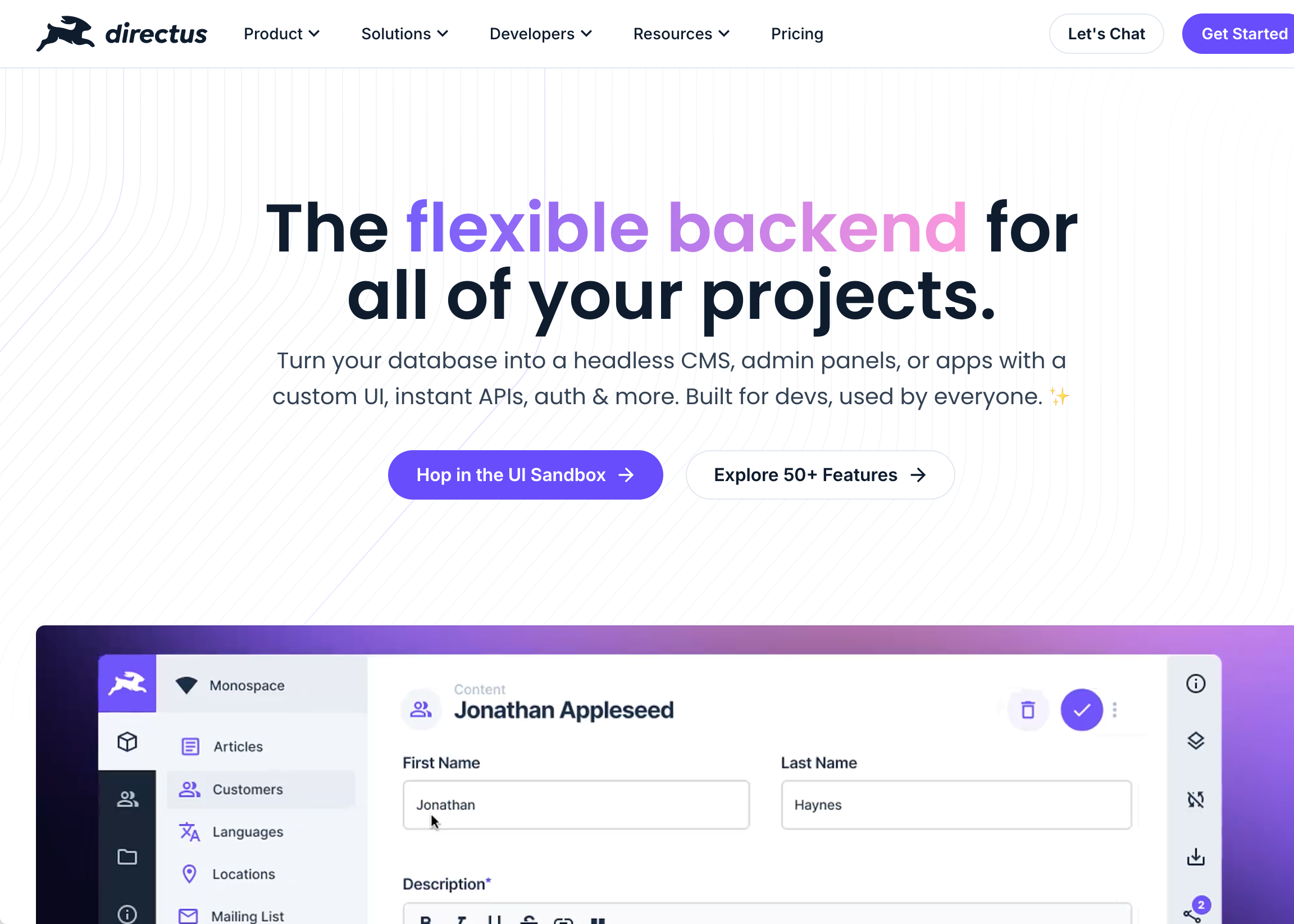
Directus is a headless CMS that wraps around your SQL database, providing an instant API and admin interface. It's incredibly flexible and works with any database schema.
Features:
- REST and GraphQL APIs
- Powerful admin dashboard
- Fine-grained permissions
- Custom workflows
- Multi-language support
Perfect for: Content-heavy applications, e-commerce, digital asset management
5. Strapi - Leading Open Source Headless CMS
GitHub Stars: 60,000+
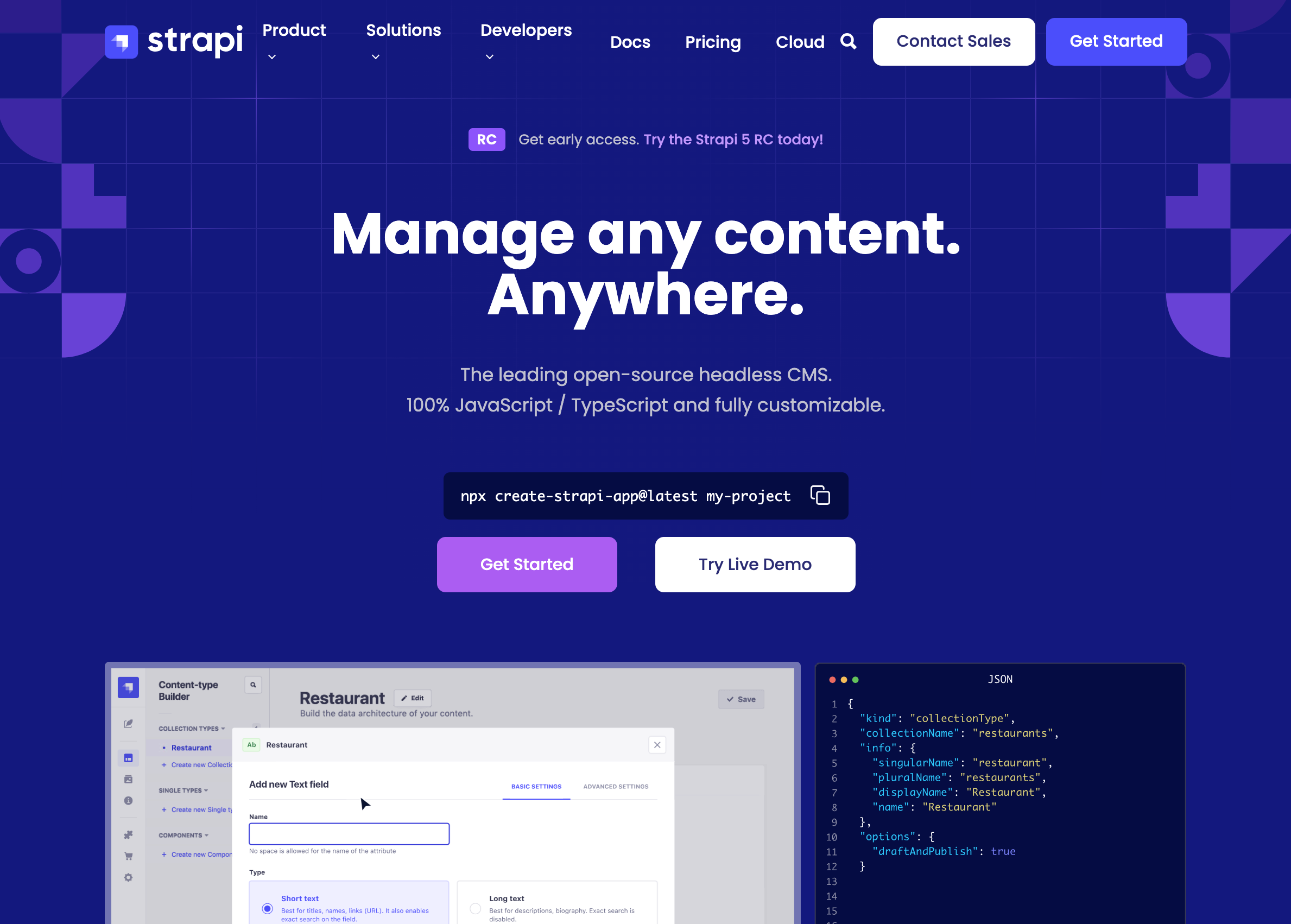
Strapi is the most popular open-source headless CMS, offering a customizable admin panel and a powerful content API.
Why developers love it:
- Fully customizable with plugins
- Role-based access control
- Media library
- Internationalization
- GraphQL and REST APIs
Best for: Blogs, marketing websites, e-commerce platforms
6. Meilisearch - Lightning-Fast Search Engine
GitHub Stars: 42,000+
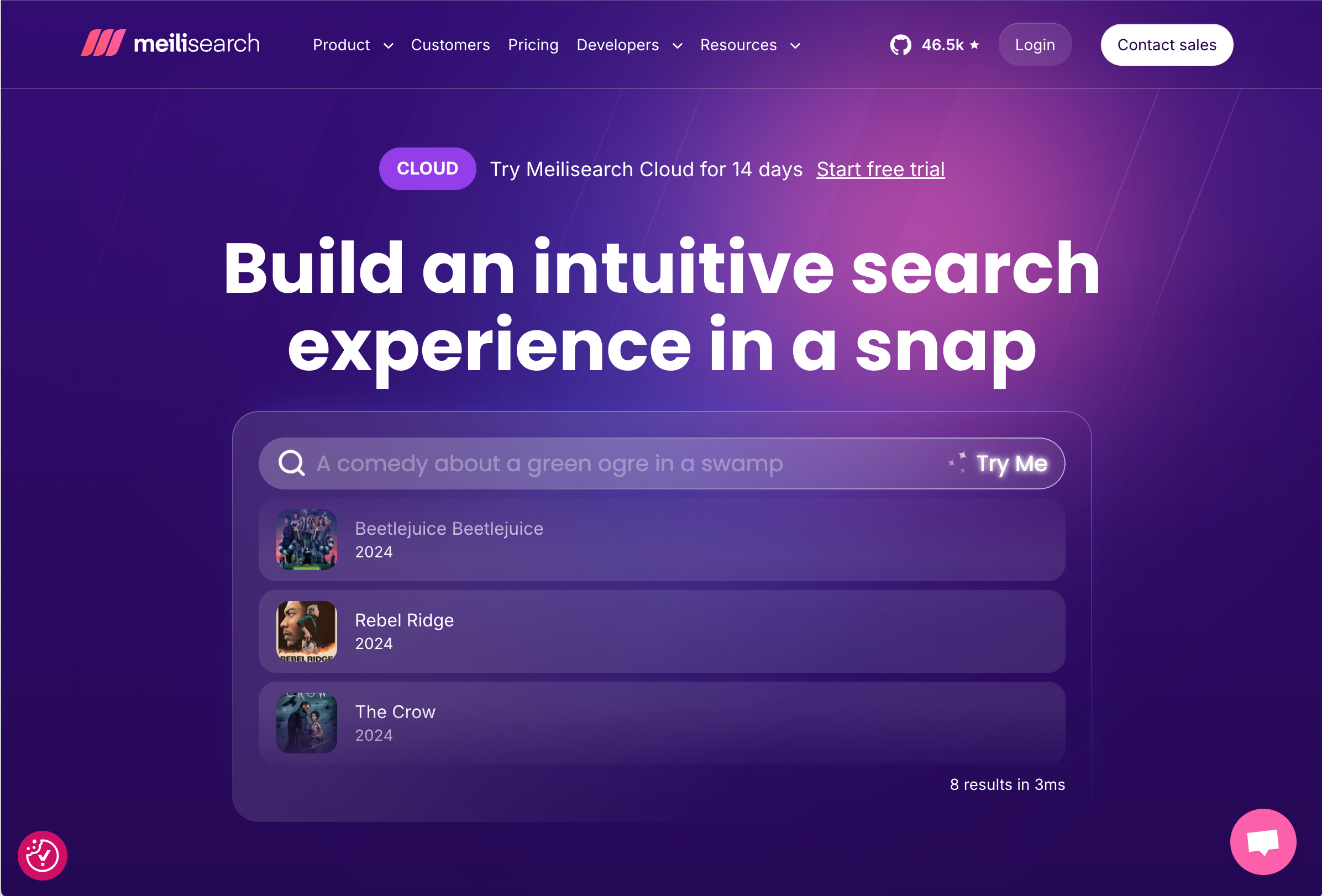
Meilisearch provides instant search results with typo tolerance and filters. It's incredibly fast and easy to integrate.
Key benefits:
- Sub-50ms search responses
- Typo-tolerant
- Faceted search and filtering
- Highlighting and snippets
- Easy to deploy
Use cases: E-commerce search, documentation search, application search
Explore Meilisearch on Prosper
7. Neon - Serverless Postgres
GitHub Stars: 10,000+
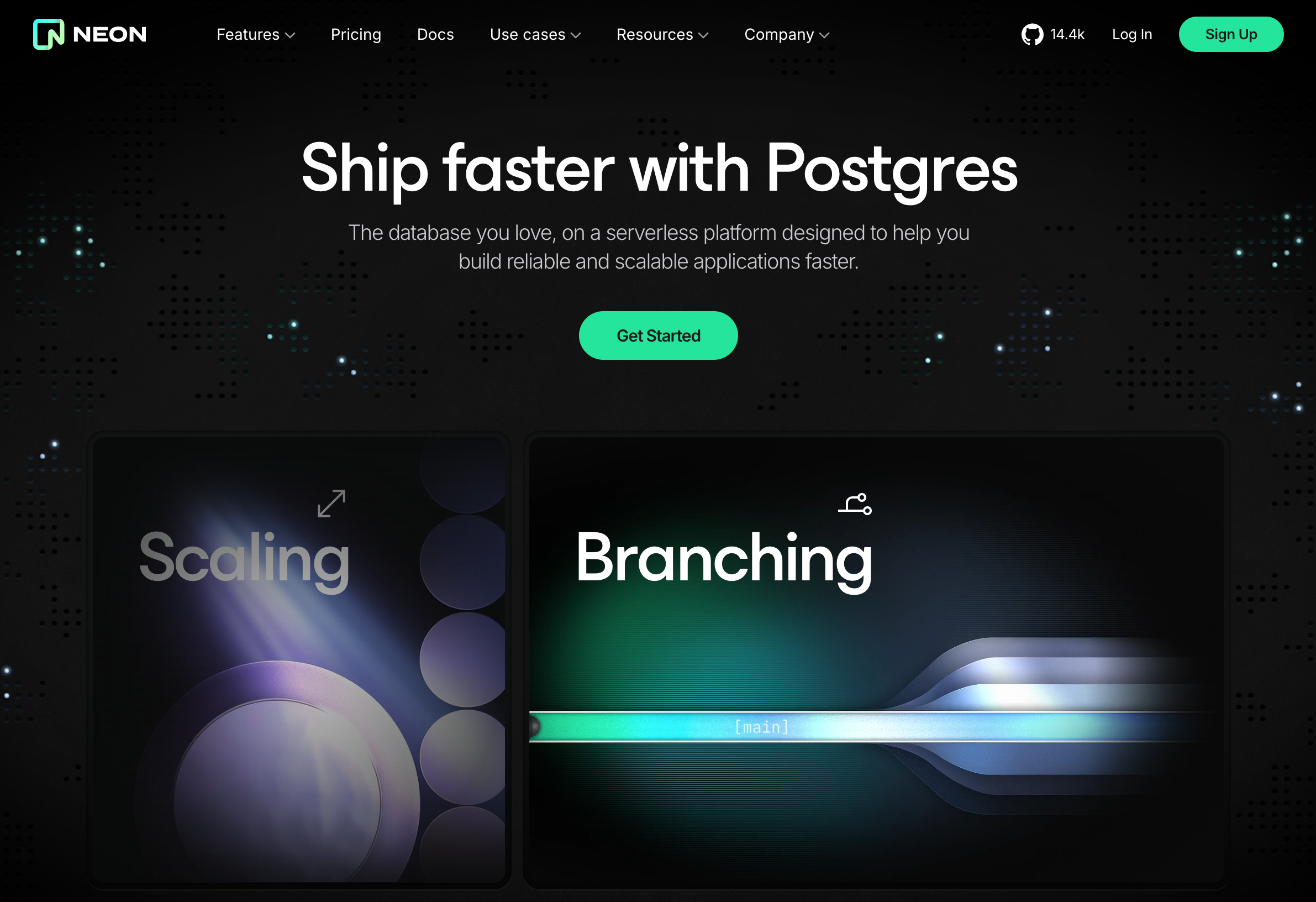
Neon is a fully managed serverless Postgres database that scales to zero when not in use. It's perfect for modern applications that need database flexibility.
Features:
- Instant database branching
- Scale to zero
- Point-in-time restore
- Connection pooling
- Generous free tier
Ideal for: Side projects, development environments, cost-conscious applications
8. ClickHouse - Real-Time Analytics Database
GitHub Stars: 33,000+
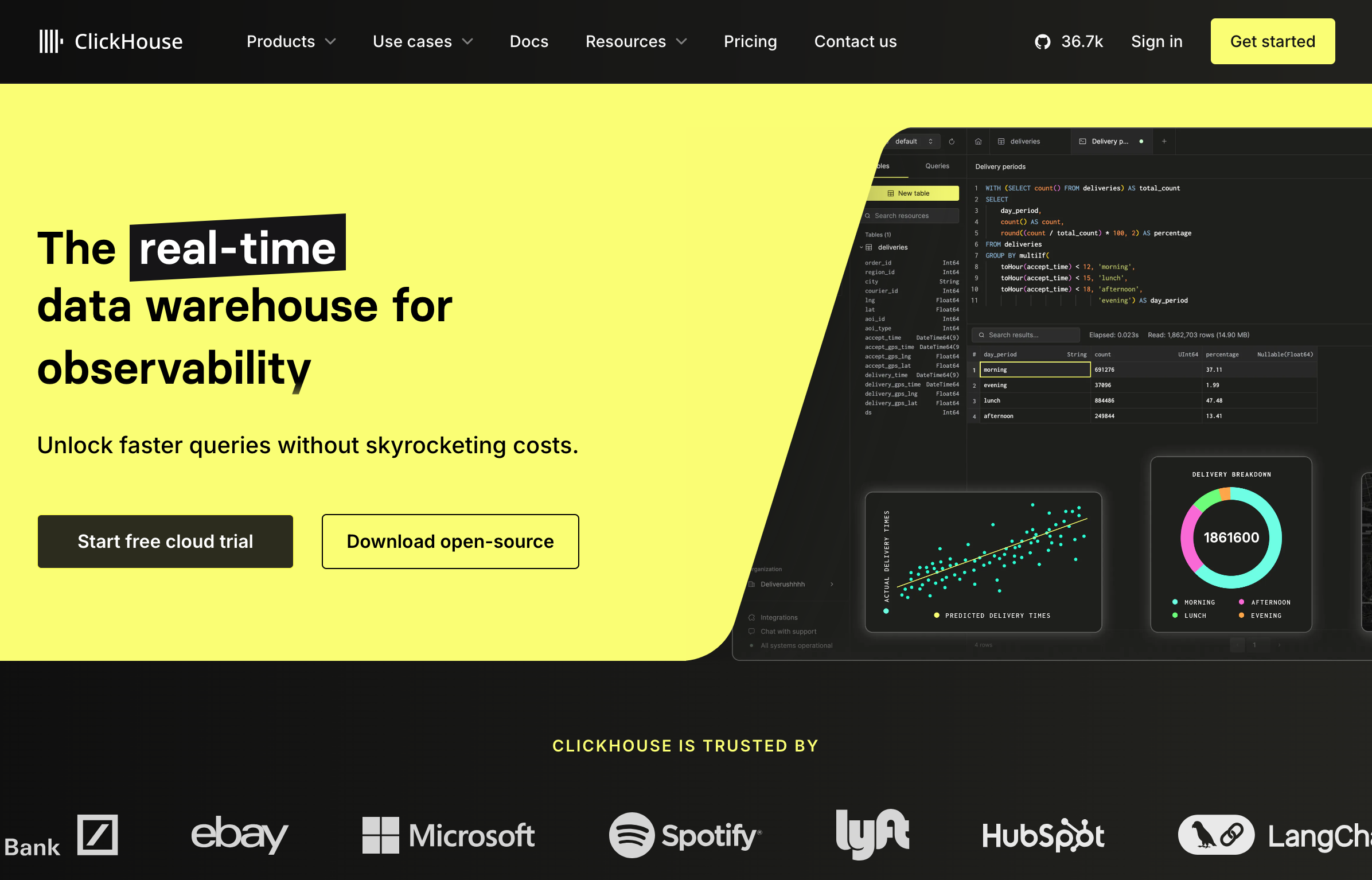
ClickHouse is a column-oriented database designed for real-time analytics on massive datasets. It's incredibly fast for analytical queries.
What it excels at:
- Processing billions of rows per second
- Real-time data ingestion
- SQL support
- Horizontal scaling
- Compression
Perfect for: Analytics dashboards, log analysis, time-series data
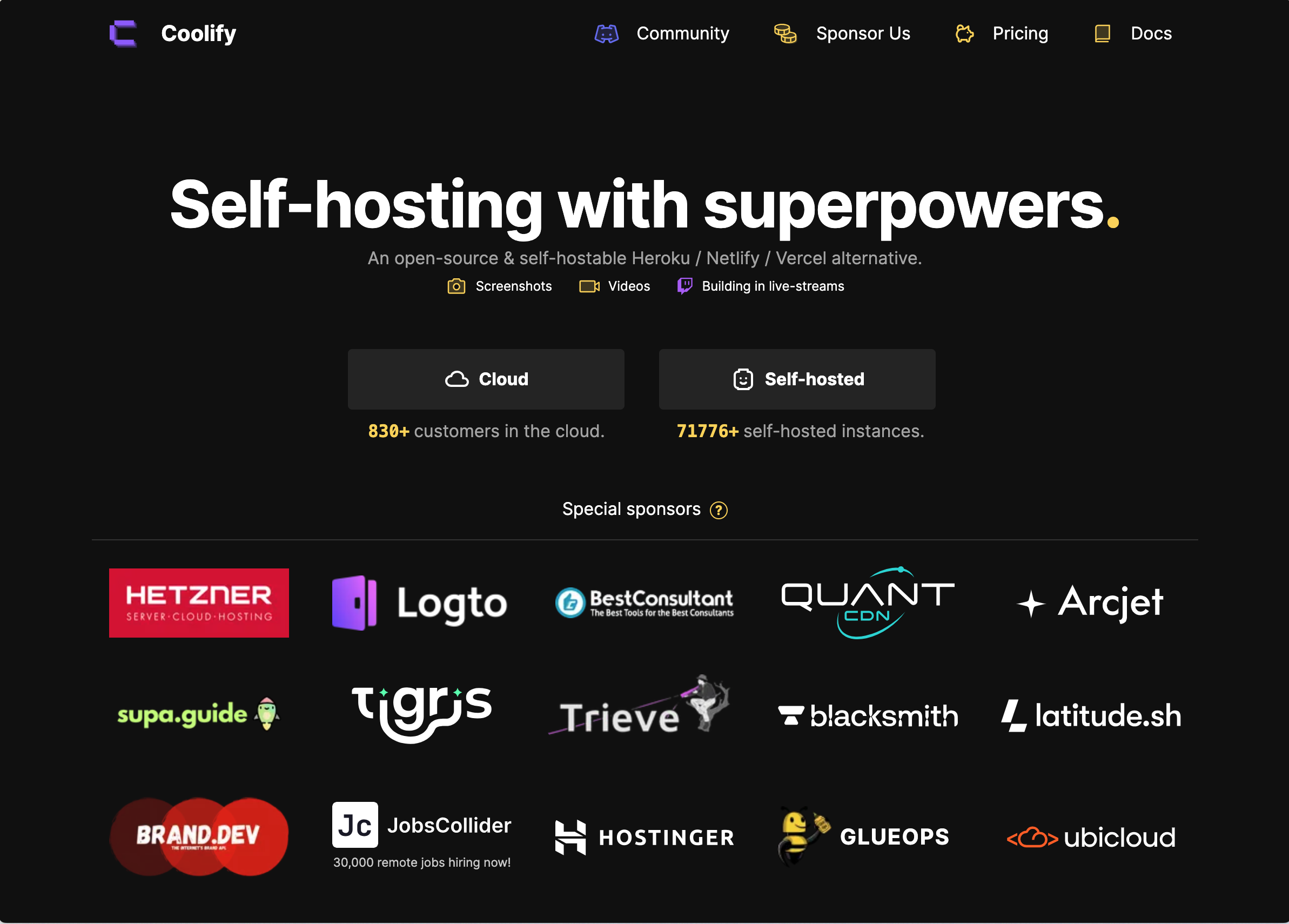
9. Coolify - Self-Hosted Heroku Alternative
GitHub Stars: 18,000+
Coolify is an all-in-one solution for deploying applications, databases, and services on your own hardware.
Why it's awesome:
- Deploy with git push
- Automatic SSL certificates
- Database management
- Monitoring and logs
- One-click deployments
Best for: Self-hosting enthusiasts, cost-conscious developers
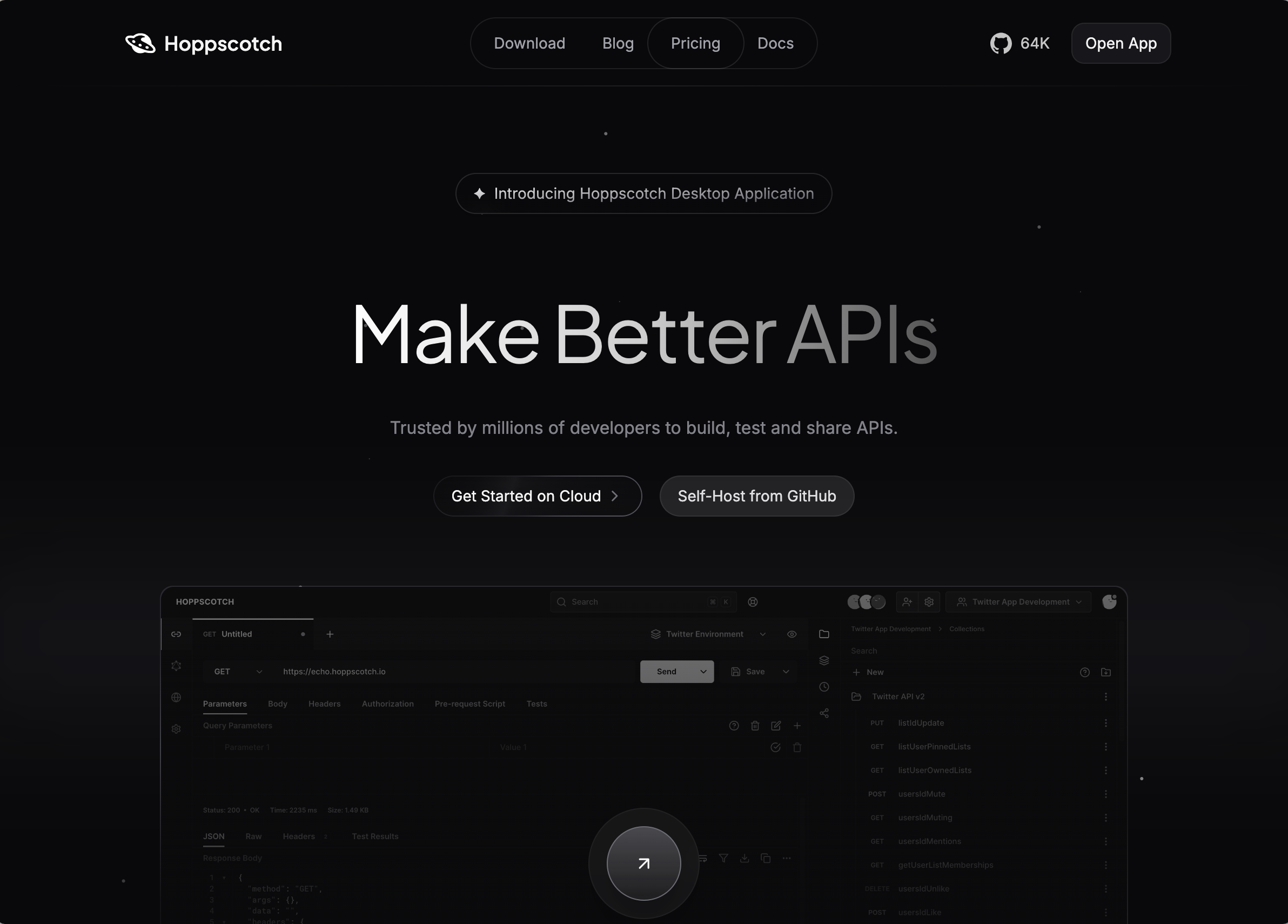
10. Hoppscotch - API Development Tool
GitHub Stars: 58,000+
Hoppscotch is an open-source API development ecosystem that helps you test and debug APIs quickly.
Features:
- Clean, intuitive interface
- Real-time collaboration
- Collections and environments
- WebSocket and GraphQL support
- Self-hostable
Great for: API testing, team collaboration, documentation
Conclusion
These 10 open-source backend tools represent the best of what's available in 2025. Whether you're building a SaaS application, an e-commerce platform, or an internal tool, there's an open-source solution that fits your needs.
The beauty of open source is that you're not locked into a vendor. You can self-host, customize, and scale on your own terms. Plus, with active communities behind these tools, you'll always have support when you need it.
Ready to explore more open-source tools? Browse our complete directory of 70+ hand-picked open-source tools.
Have questions or suggestions? Submit a tool or reach out on X.