
.jpg) Ilia Karelin
Ilia KarelinChoosing the right database is one of the most critical decisions in software development. In 2025, open-source databases have evolved to offer enterprise-grade features, incredible performance, and flexibility that proprietary solutions can't match.
Whether you're building a SaaS application, an analytics platform, or a content management system, there's an open-source database solution that fits your needs perfectly.
1. Supabase - The Complete Backend Platform
GitHub Stars: 50,000+
Database: PostgreSQL
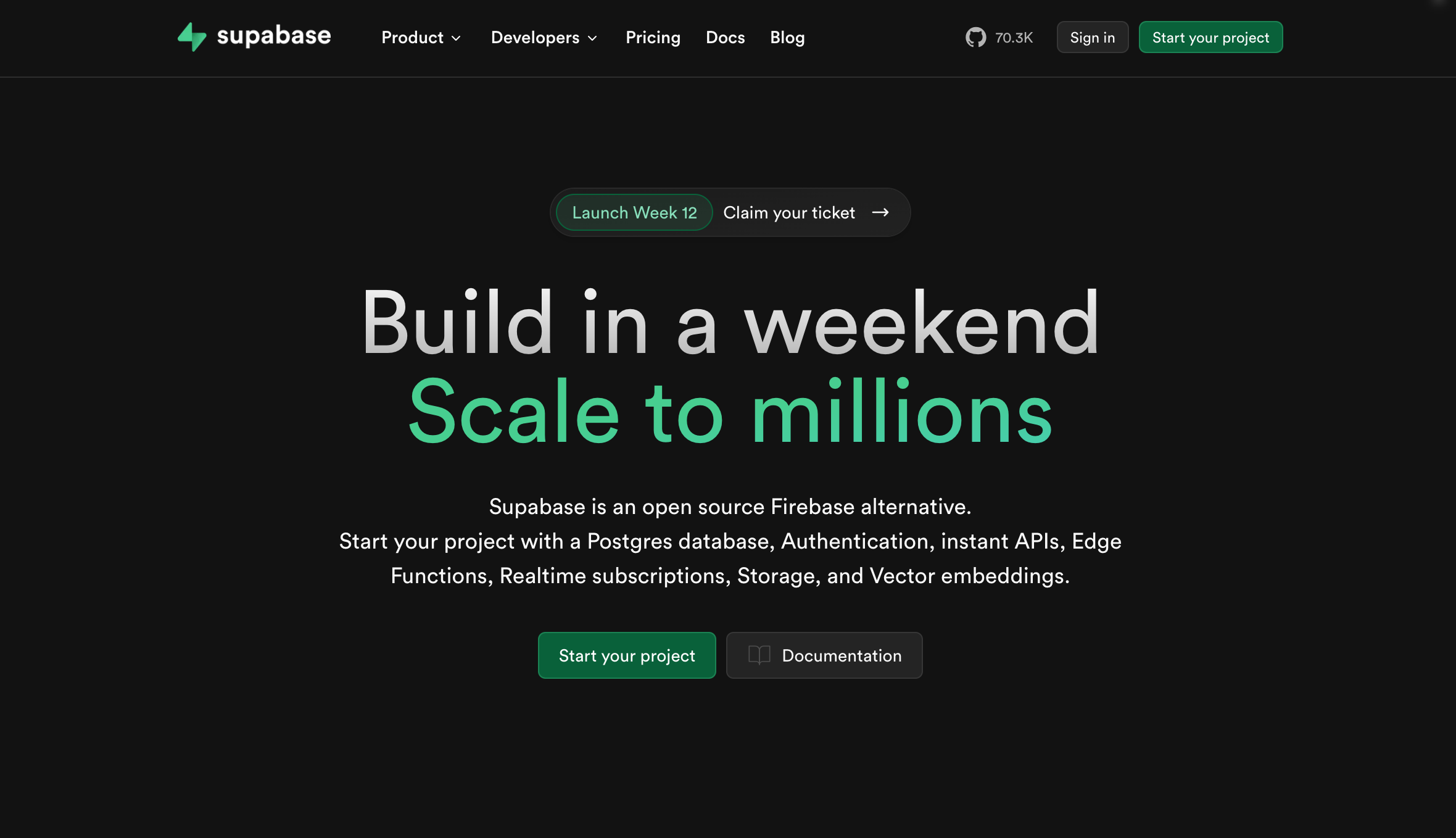
Supabase isn't just a database—it's a complete backend-as-a-service platform built on PostgreSQL. Think of it as the open-source alternative to Firebase, but with the power of a relational database.
What Makes Supabase Special
PostgreSQL Foundation: Unlike Firebase's NoSQL approach, Supabase uses PostgreSQL, giving you:
- Full SQL capabilities
- Complex joins and relationships
- ACID compliance
- 30+ years of battle-tested reliability
Built-in Features:
- Real-time subscriptions - Get instant updates when data changes
- Authentication - Email, OAuth, magic links out of the box
- Storage - S3-compatible object storage
- Edge Functions - Deploy serverless functions globally
- Auto-generated APIs - REST and GraphQL APIs created automatically
When to Use Supabase
Perfect for:
- SaaS applications with complex data relationships
- Real-time collaborative tools
- Mobile apps needing offline sync
- Projects requiring both SQL power and modern DX
Key Benefits:
- Self-hostable (own your data)
- Generous free tier
- Excellent documentation
- Active community
2. NocoDB - Turn Any Database Into a Spreadsheet
GitHub Stars: 38,000+
Type: No-Code Database Platform
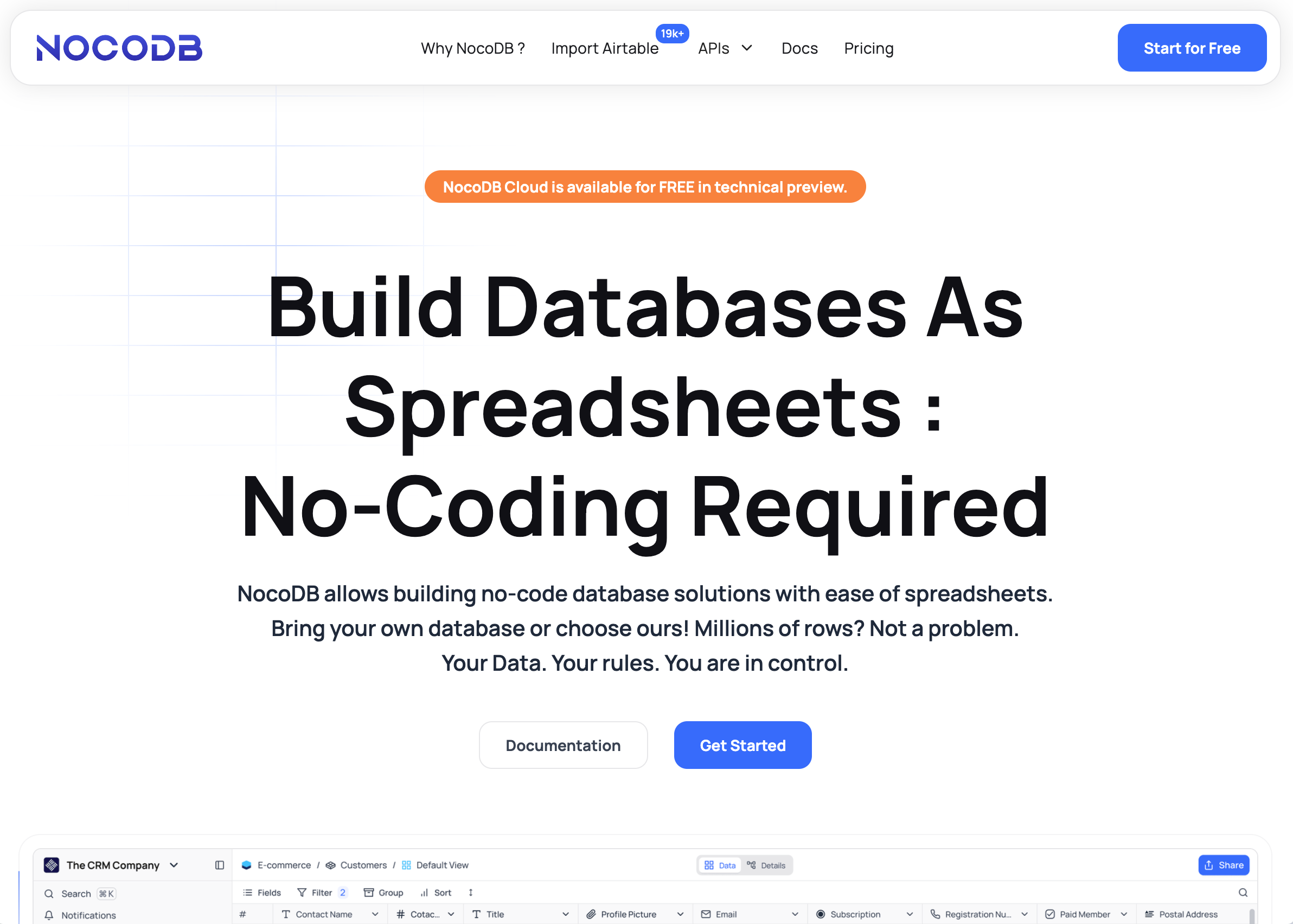
NocoDB transforms your existing databases into smart spreadsheets with a REST API. It's like Airtable, but open-source and works with your own database.
Why NocoDB is Revolutionary
Works With Your Database:
- MySQL
- PostgreSQL
- SQL Server
- SQLite
- And more...
Features:
- Spreadsheet-like interface for non-technical users
- Automatic API generation (REST & GraphQL)
- Form views for data collection
- Kanban boards and gallery views
- Webhooks and integrations
- Collaboration features
Use Cases
Ideal for:
- Internal tools and admin panels
- CRM systems
- Project management
- Inventory management
- Any database that needs a user-friendly interface
The Magic: Your developers work with SQL, your team works with spreadsheets. Everyone's happy.
3. ClickHouse - Real-Time Analytics Powerhouse
GitHub Stars: 33,000+
Type: Column-Oriented OLAP Database
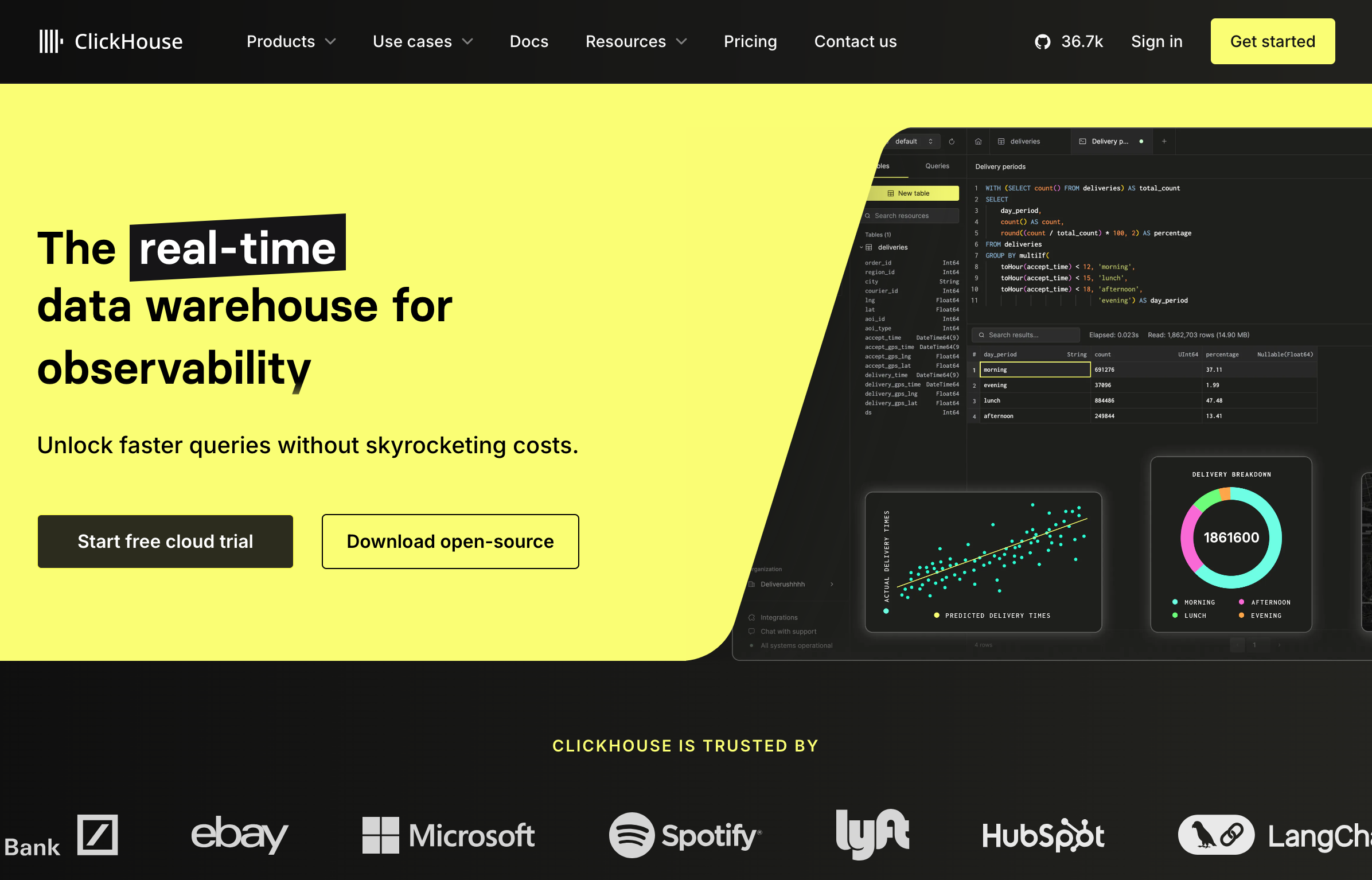
ClickHouse is designed for one thing: blazing-fast analytics on massive datasets. If you need to process billions of rows in seconds, this is your tool.
Performance That Defies Logic
Speed:
- Process billions of rows per second
- Sub-second query responses on huge datasets
- Real-time data ingestion
Features:
- SQL support (familiar syntax)
- Horizontal scaling
- Compression (10x-100x)
- Distributed queries
- Materialized views
When to Choose ClickHouse
Perfect for:
- Analytics dashboards
- Log analysis
- Time-series data
- Real-time metrics
- Data warehousing
Real-world example: Cloudflare uses ClickHouse to analyze 6 million HTTP requests per second.
4. Neon - Serverless PostgreSQL
GitHub Stars: 10,000+
Type: Serverless Postgres
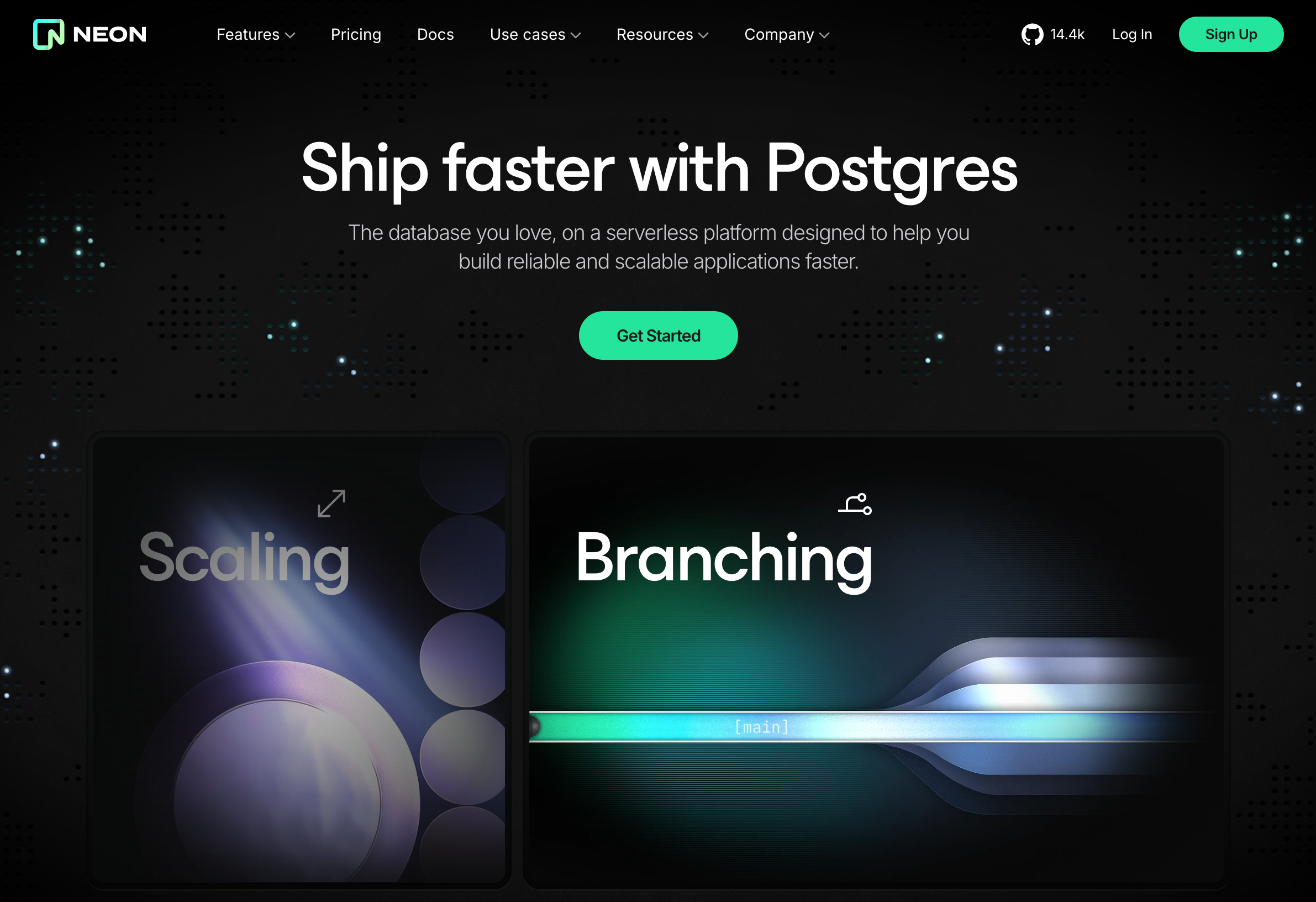
Neon brings serverless architecture to PostgreSQL. Your database scales to zero when not in use, saving you money while maintaining instant availability.
The Serverless Advantage
Key Features:
- Scale to zero - Pay only for what you use
- Instant branching - Create database copies in milliseconds
- Point-in-time restore - Time travel for your data
- Connection pooling - Handle thousands of connections
- Generous free tier - Perfect for side projects
Why Developers Love Neon
Development Workflow:
# Create a branch for each feature
neon branches create feature-auth

# Test changes in isolation
# Merge when ready
# Delete branch when done
Best for:
- Side projects and startups
- Development and staging environments
- Cost-conscious applications
- Projects with variable traffic
5. PostHog - Product Analytics Database
GitHub Stars: 15,000+
Type: Product Analytics Platform
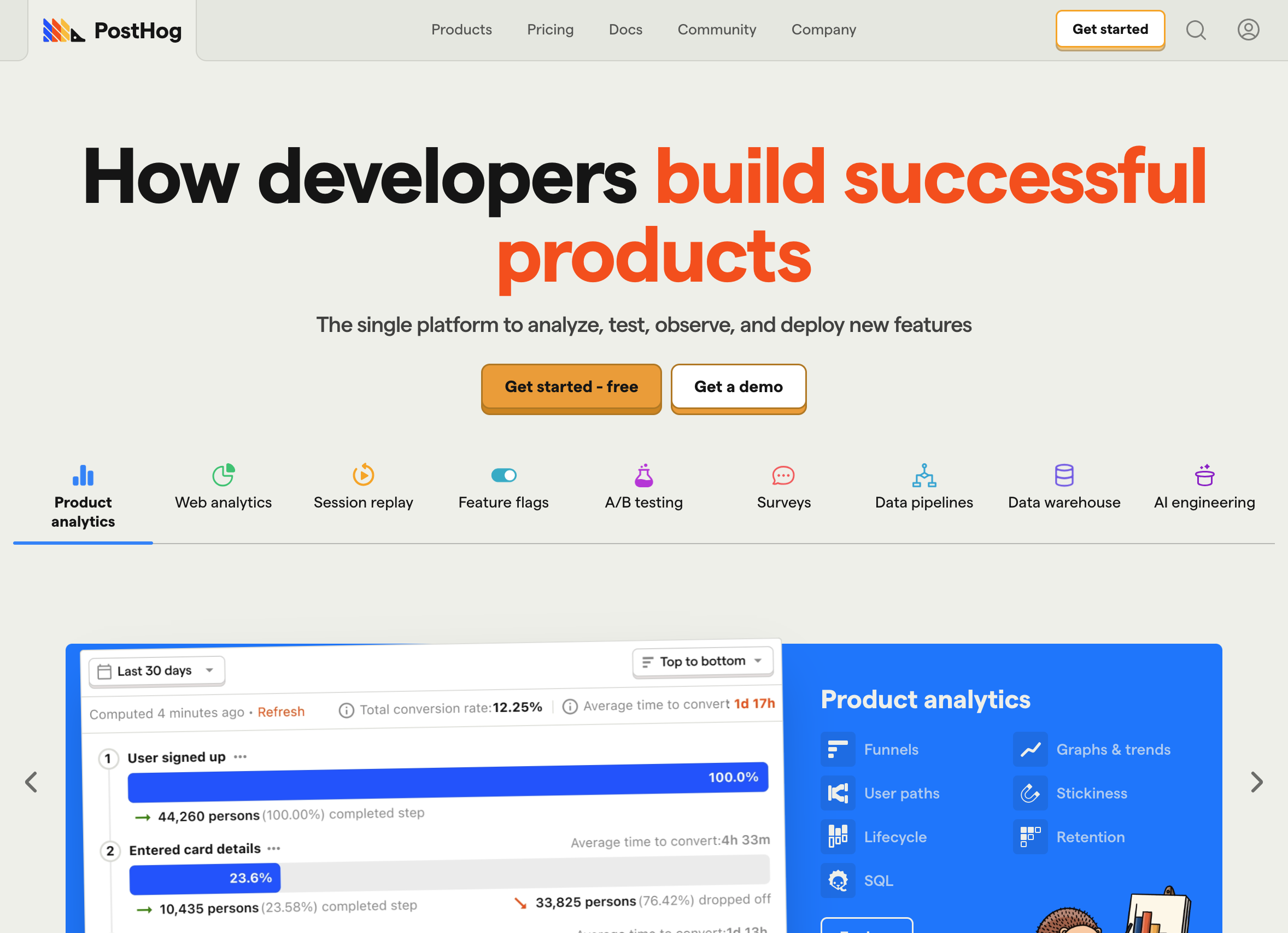
PostHog is an open-source analytics platform that stores all your product data in a queryable database. Unlike Google Analytics, you own all your data.
Complete Product Analytics
Features:
- Event tracking and analytics
- Session recording
- Feature flags
- A/B testing
- Heatmaps
- User cohorts
The Database Advantage:
- SQL access to all your data
- Custom queries and reports
- Data warehouse integration
- No data sampling
- Unlimited events
Perfect for:
- SaaS products
- Mobile apps
- E-commerce platforms
- Any product needing user insights
6. Grist - Spreadsheet-Database Hybrid
GitHub Stars: 6,000+
Type: Hybrid Spreadsheet/Database
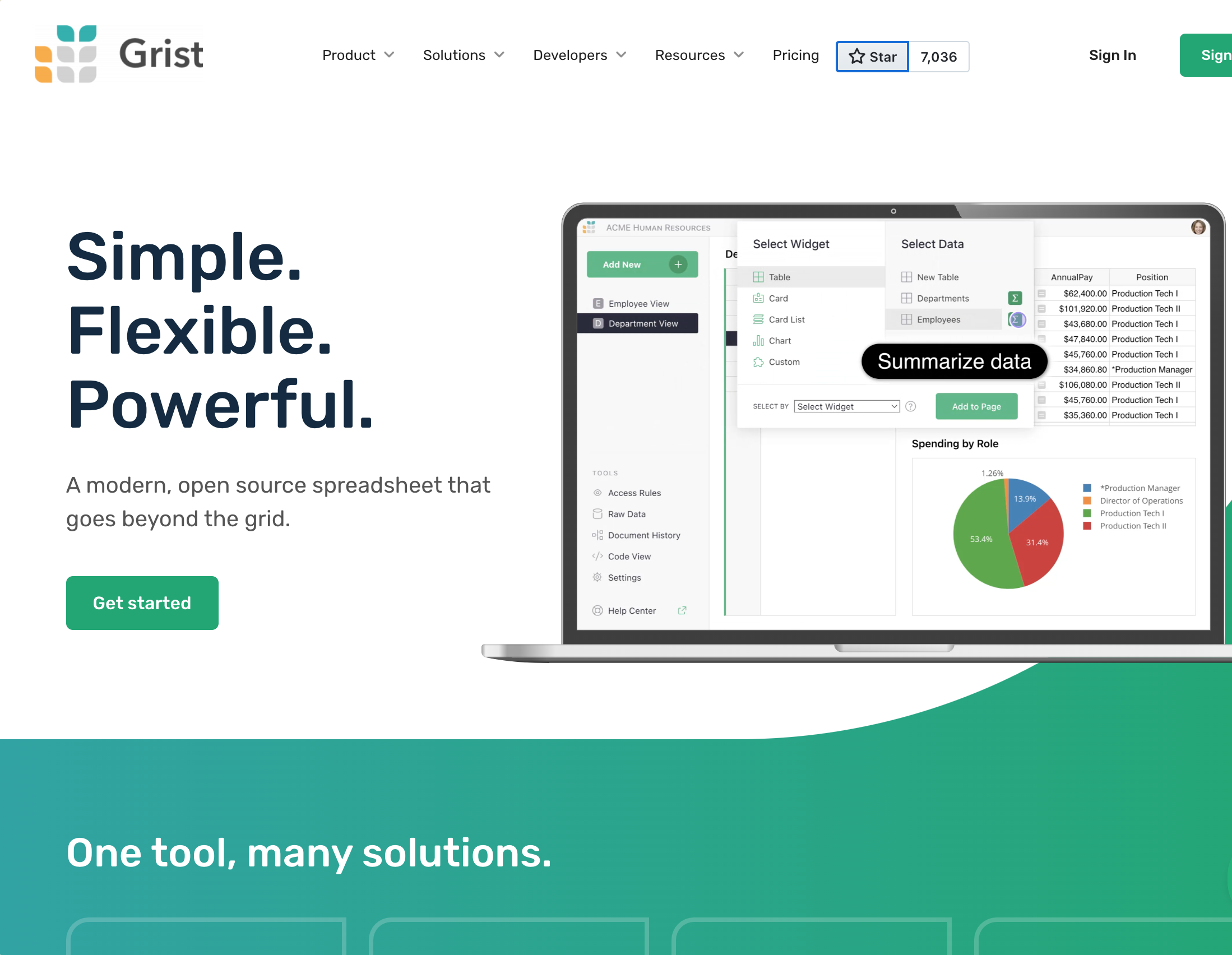
Grist combines the flexibility of spreadsheets with the power of databases. It's like Excel met PostgreSQL and had a baby.
Best of Both Worlds
Spreadsheet Features:
- Familiar interface
- Formulas and calculations
- Drag-and-drop columns
- Easy data entry
Database Features:
- Relational data
- Data validation
- Access controls
- API access
- Webhooks
Use cases:
- Project management
- Inventory tracking
- Customer databases
- Financial modeling
7. Weaviate - AI-Native Vector Database
GitHub Stars: 8,000+
Type: Vector Database
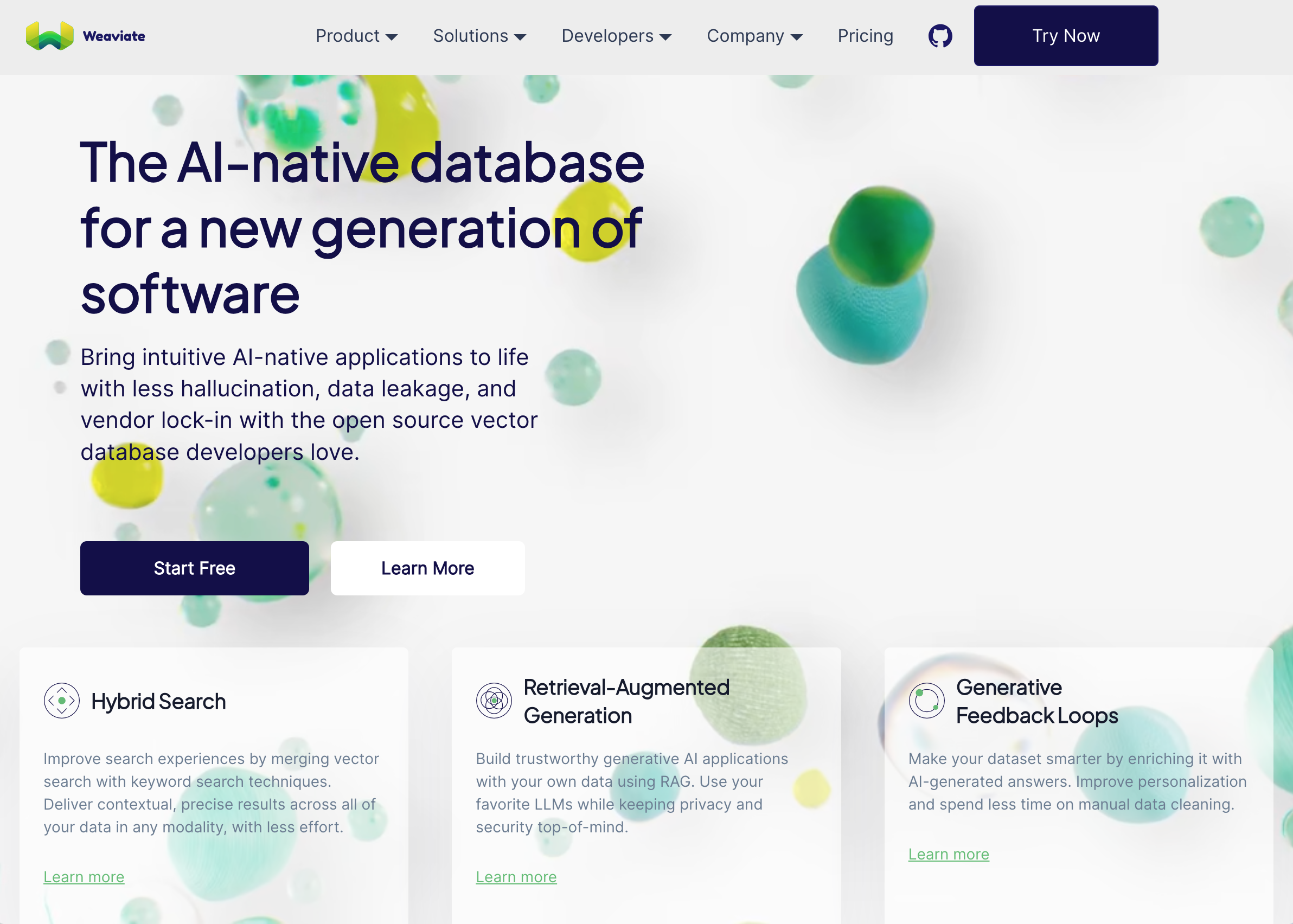
Weaviate is built for AI applications. It stores vector embeddings from machine learning models, enabling semantic search and AI-powered features.
The AI Database
Capabilities:
- Store vector embeddings
- Semantic search
- Hybrid search (vector + keyword)
- GraphQL API
- Multi-modal search (text, images, etc.)
Use Cases:
- AI-powered search
- Recommendation engines
- Similarity matching
- RAG (Retrieval Augmented Generation)
- Chatbots with memory
Perfect for:
- AI/ML applications
- Semantic search engines
- Recommendation systems
- Modern AI products
Comparison Table
| Database | Best For | Type | Difficulty | Scale |
|---|---|---|---|---|
| Supabase | Full-stack apps | PostgreSQL BaaS | Easy | High |
| NocoDB | Internal tools | No-code platform | Easy | Medium |
| ClickHouse | Analytics | OLAP | Medium | Very High |
| Neon | Serverless apps | Serverless Postgres | Easy | High |
| PostHog | Product analytics | Analytics platform | Easy | High |
| Grist | Spreadsheet apps | Hybrid | Easy | Medium |
| Weaviate | AI applications | Vector DB | Medium | High |
How to Choose the Right Database
| Database | Choose If You Need | Best Use Cases |
|---|---|---|
| Supabase | Complete backend solution, PostgreSQL with modern features, Real-time capabilities, Open source Firebase alternative | SaaS apps, Real-time dashboards, Mobile apps |
| NocoDB | Existing database with UI, Non-technical user access, Quick admin panel, Spreadsheet interface | Internal tools, CRM, Admin panels |
| ClickHouse | Analytics dashboards, Process billions of rows, Real-time analytics, Maximum performance | Analytics, Log analysis, Time-series data |
| Neon | Serverless PostgreSQL, Cost optimization, Database branching, Variable traffic | Side projects, Dev environments, Startups |
| PostHog | Product analytics, Own your data, Privacy-focused, More than just analytics | SaaS products, Mobile apps, E-commerce |
| Grist | Between spreadsheets and databases, Collaboration features, Flexible data management | Project management, Inventory, Financial modeling |
| Weaviate | AI features, Semantic search, Vector embeddings, Modern AI architecture | AI apps, Recommendation engines, RAG systems |
The Future of Open Source Databases
Open-source databases in 2025 are more powerful than ever:
Trends:
- Serverless architecture becoming standard
- AI/ML integration built-in
- Better developer experience
- Cloud-native by default
- Real-time capabilities everywhere
Why Open Source Wins:
- No vendor lock-in
- Community-driven innovation
- Transparent development
- Self-hosting options
- Cost-effective at scale
Conclusion
The open-source database ecosystem in 2025 offers solutions for every use case:
- General purpose → Supabase or Neon
- Analytics → ClickHouse
- No-code → NocoDB or Grist
- Product analytics → PostHog
- AI applications → Weaviate
All of these tools are production-ready, actively maintained, and used by thousands of companies worldwide.
Ready to explore more? Browse our complete directory of 70+ open-source tools
Have questions about databases? Reach out on X or submit a tool to our directory.